
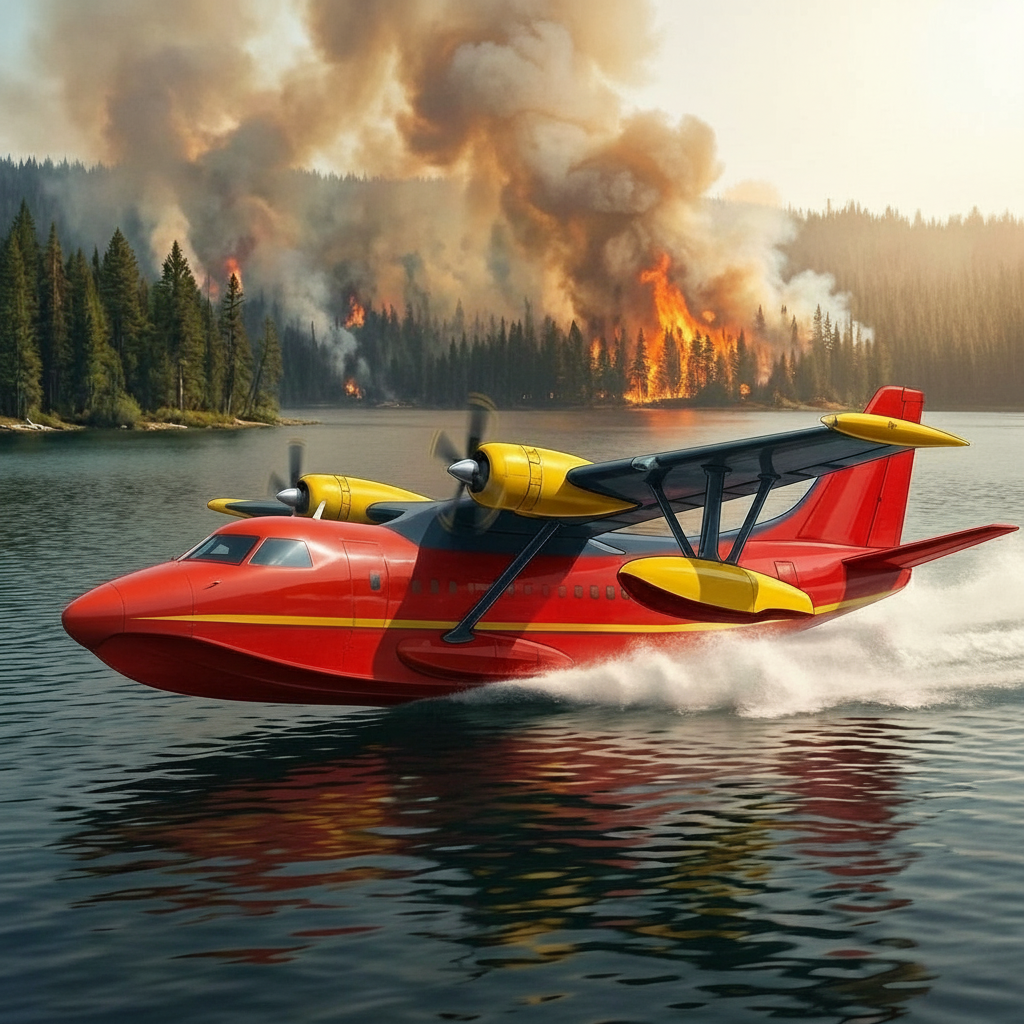
ASHVA · Multi-Role Amphibious Platform
The ASHVA Platform
Platform Overview
One Aircraft. Five Configurations.
The ASHVA is a large-category amphibious flying boat designed from first principles for multi-role deployment. Its hull geometry, powerplant architecture, and modular payload bay allow rapid reconfiguration between passenger, firefighting, defence, cargo, and tourism variants.
Unlike purpose-built single-role aircraft, the ASHVA's shared type certificate across all variants dramatically reduces operator acquisition cost, training burden, and MRO complexity — creating a durable competitive moat for Avasha and its launch customers.
Technical Specifications
Baseline Airframe Data
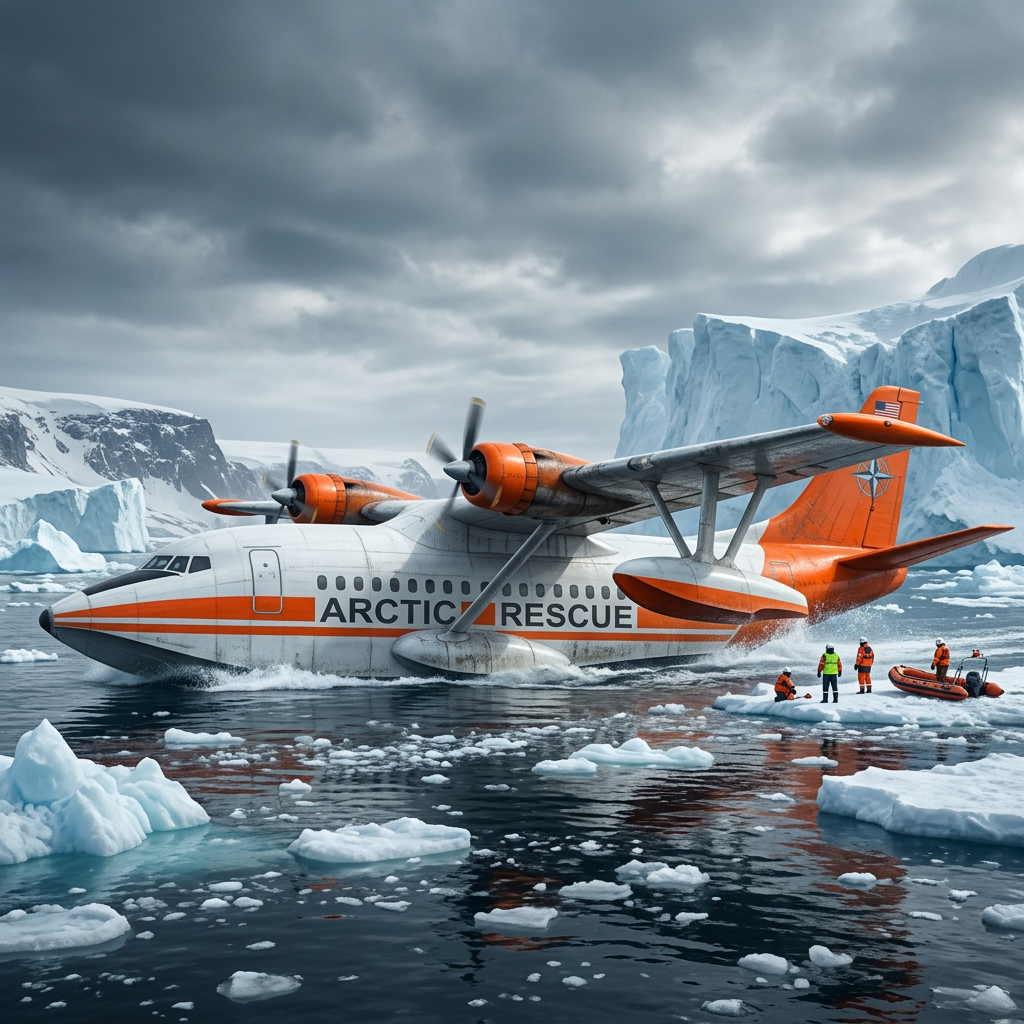
Mission Variants
Five Configurations. One Type Certificate.
Capacity
72 PAX
Range
2,500 km
Configured with a full passenger cabin, galley, and lavatory. Designed for scheduled and charter services connecting coastal and island communities. Compliant with EASA CS-25 large aeroplane standards.
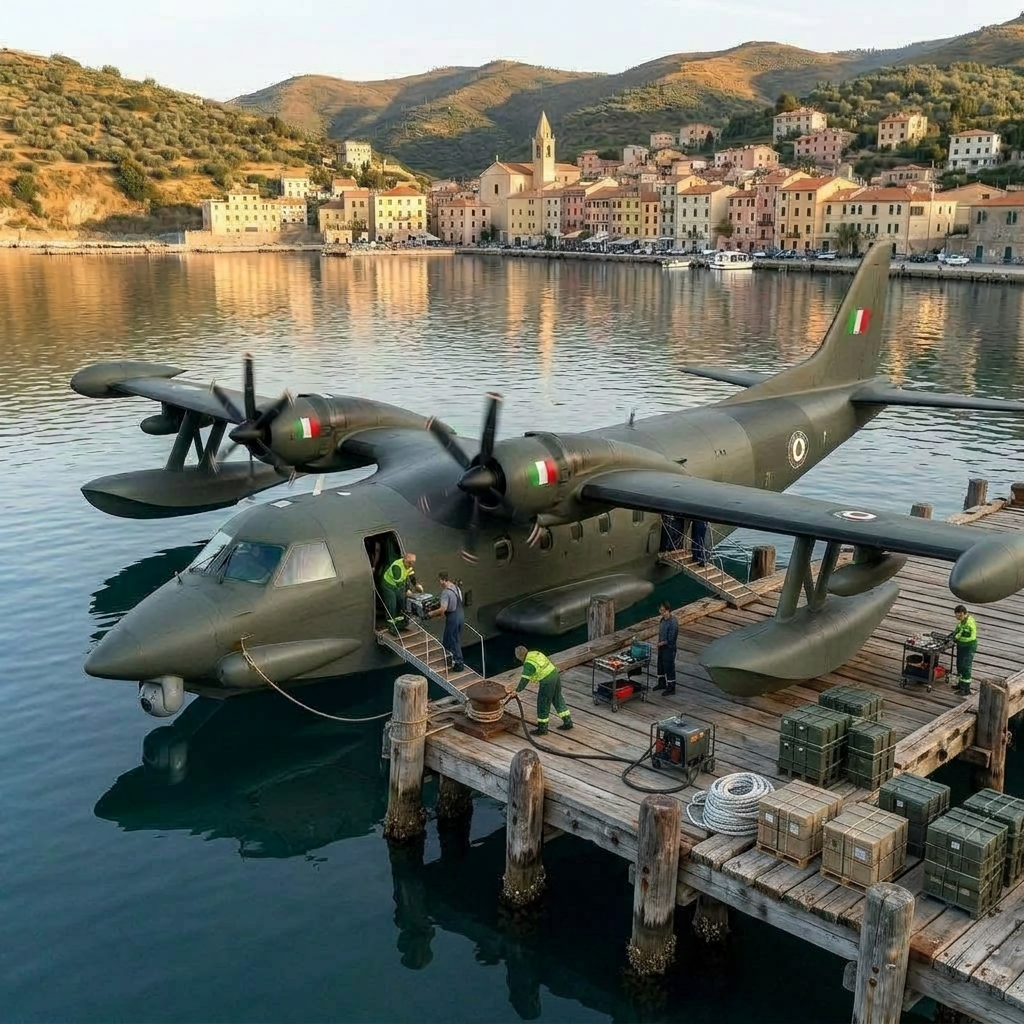
Capacity
18,000 L
Range
1,800 km
Equipped with a high-capacity belly tank and scooping system capable of replenishing from any open water body in a single low-speed pass. Designed for rapid-response wildfire suppression.
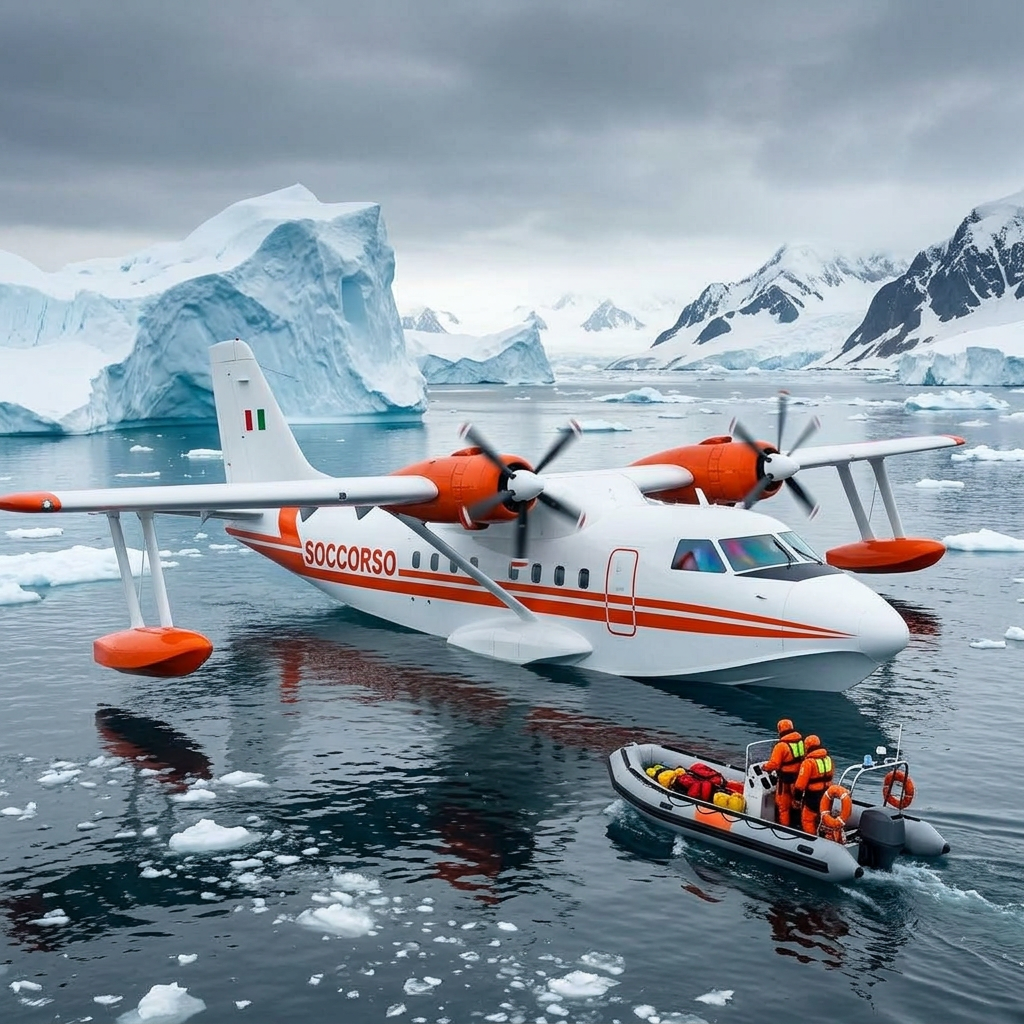
Capacity
Mission Configurable
Range
3,200 km (ferry)
Maritime patrol aircraft (MPA) variant with extended fuel, sensor suite hardpoints, and weapons pylons. Designed for EEZ surveillance, anti-submarine warfare support, and search-and-rescue coordination.
Capacity
22,000 kg
Range
2,100 km
Freighter configuration with a reinforced cargo floor, roller conveyor system, and rear-loading ramp. Designed for time-critical freight delivery to remote coastal and island destinations.
Capacity
24 PAX
Range
2,500 km
Premium charter configuration with panoramic windows, lounge seating, and a dedicated observation deck. Designed for high-value scenic and point-to-point tourism across coastal and island destinations.
Certification Pathway
EASA & FAA Type Certificate — 2028
Avasha is pursuing a joint EASA CS-25 and FAA Part 25 type certificate for the ASHVA baseline airframe, with variant-specific supplemental type certificates (STCs) for each mission configuration. The certification programme is structured to achieve first flight in 2026, with entry into service targeted for 2028.
The amphibious operating environment introduces unique certification challenges — hull hydrodynamics, water ingestion, and spray suppression — that Avasha's engineering team has addressed through a dedicated test programme in partnership with EASA's Rotorcraft and Seaplane Technical Unit.
A single airframe engineered for five mission verticals. Operable from open water, coastal inlets, or prepared runways — without infrastructure.